An Introduction to the U.S. Food System: Perspectives from Public Health (Coursera)

An Introduction to the U.S. Food System: Perspectives from Public Health (Coursera)

A food system encompasses the activities, people and resources involved in getting food from field to plate. Along the way, it intersects with aspects of public health, equity and the environment. In this course, we will provide a brief introduction to the U.S. food system and how food production practices and what we choose to eat impacts the world in which we live. Through several case studies, we will discuss some key historical and political factors that have helped shape the current food system and consider alternative approaches from farm to fork.

Class Deals by MOOC List - Click here and see Coursera's Active Discounts, Deals, and Promo Codes.

The course will be led by a team of faculty and staff from the Johns Hopkins Center for a Livable Future. Guest lecturers will include experts from a variety of disciplines, including public health and agriculture.

Syllabus

WEEK 1
Is Climate Change Vindicating Malthus? Food Security and the Right to Food
Welcome to our short course on the U.S. food system. In this first series of lectures, we dig into the very important concepts of food systems, food security and intergenerational equity and begin to explore what we eat, how that food is produced, and how our dietary choices impact our health and the health of the planet. This broad overview lecture lays the foundation for the rest of the course.

WEEK 2
Food System Sustainability and Resilience
This lesson expands on the concepts of food system sustainability and resilience, and describes strategies that could dramatically improve the food system and the ability of future generations to feed themselves.

WEEK 3
Ecological Perspectives on Food Production
The 1938 USDA Yearbook of Agriculture stated, “Essentially, all life depends upon the soil ... There can be no life without soil and no soil without life; they have evolved together”. In this module, we will take a very brief look at the importance of methods of food production for sustainability, resilience, food security and health.

WEEK 4
Food Animal Production and Public Health
We will now examine the livestock and seafood industries, which we have touched on in previous modules as a key driver of the global food system. As incomes rise around the world, so too does the global collective appetite for meat. Some of our greatest challenges and debates of the 21st century are rooted in the rising demand for animal protein in an era of dwindling resources and climate change. NOTE: This lecture refers to other lectures offered in this or related full for-credit courses at the Bloomberg School of Public Health.

WEEK 5
Food and Farm Policy Perspectives
In the next set of lectures, we begin to explore food and farm policy, a huge and complex topic. Roni Neff returns with an overview of the history and content of the current farm bill and why it really should be called a ‘food bill’, considering the magnitude of its impact on public health. Then Mark Winne will share his experiences as an advocate for community food security and regional food systems here in the U.S. For those of you interested in the international perspective of food policy, we have provided in the readings list a link to a terrific talk by Olivier deSchutter, the former UN special rapporteur on the Right to Food.

WEEK 6
Improving Food Systems: Stories from the Field
In this final module of the course you will hear from real people working to build a healthier, more sustainable food system. First, Michael Heller of Clagett Farm in Maryland will share his farming philosophy and how he links his farm to the local community near Washington DC. Then you’ll hear about Meatless Monday as an example of using health communication campaigns to change the food system from the demand-side. The optional Honors lesson includes two short films produced by CLF showcasing projects and people around the U.S. that are improving the food system from field to plate.
Go to Class
MOOC List is learner-supported. When you buy through links on our site, we may earn an affiliate commission.

Related Courses

Engineering Life: Synbio, Bioethics & Public Policy (Coursera) Coursera
Johns Hopkins University

Engineering Life: Synbio, Bioethics & Public Policy (Coursera)

Synbio is a diverse field with diverse applications, and the different contexts (e.g., gain-of-function research, biofuels) raise different ethical and governance challenges. The objective of this course is to increase learners’ awareness and understanding of ethical and policy/governance issues that arise in the design, conduct and application of synthetic biology. The course will begin with a short history of recombinant DNA technology and how governance of that science developed and evolved, and progress through a series of areas of application of synbio.

Jun 15th 2026
5-12 Weeks
Introduction to Systems Biology (Coursera) Coursera
Icahn School of Medicine at Mount Sinai

Introduction to Systems Biology (Coursera)

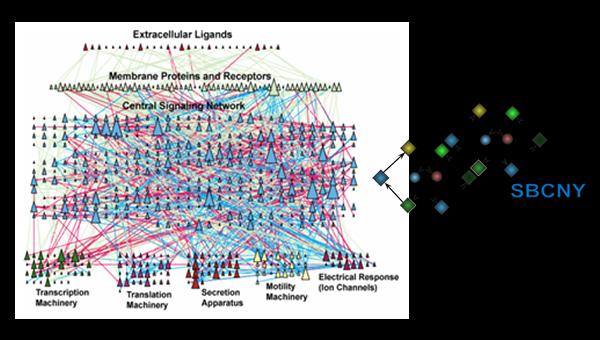
This course will introduce the student to contemporary Systems Biology focused on mammalian cells, their constituents and their functions. Biology is moving from molecular to modular. As our knowledge of our genome and gene expression deepens and we develop lists of molecules (proteins, lipids, ions) involved in cellular processes, we need to understand how these molecules interact with each other to form modules that act as discrete functional systems.

Jun 15th 2026
5-12 Weeks
Positive Psychology: Martin E. P. Seligman’s Visionary Science (Coursera) Coursera
University of Pennsylvania

Positive Psychology: Martin E. P. Seligman’s Visionary Science (Coursera)

Dr. Martin E.P. Seligman—renowned worldwide as the “father of Positive Psychology”—has led visionary leaps in the scientific research, empirical data and personal understandings of human flourishing. This course explores the past, present and future of positive psychology as a journey through the key scientific leaps led by Dr. Seligman and his colleagues at the University of Pennsylvania's Positive Psychology Center and Master of Applied Positive Psychology program.

Jun 15th 2026
4 Weeks
The Oral Cavity: Portal to Health and Disease (Coursera) Coursera
University of Pennsylvania

The Oral Cavity: Portal to Health and Disease (Coursera)

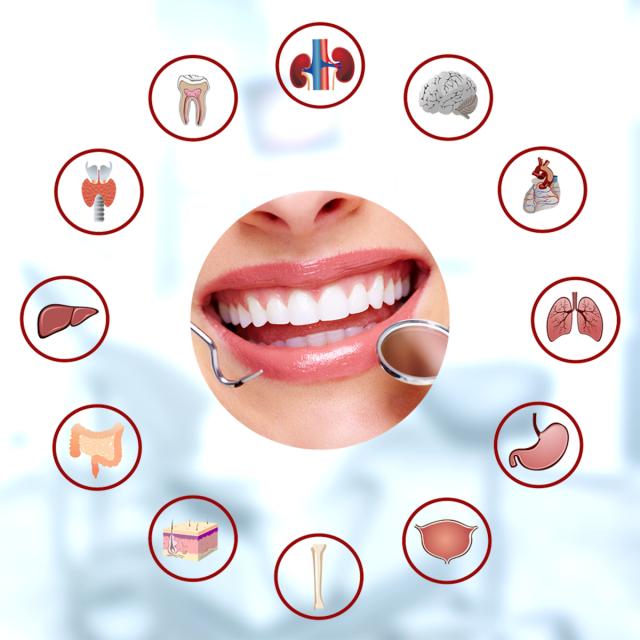
This course will focus on the interprofessional realtionship of dentistry and medicine. For each session, the medical specialist will present a broad overview of specific disease entity which will be followed by a dental educator discussing the relevant oral manifestations and implications. The final module of each session will be devoted to the interaction between the dental and other health care professionals.

Jun 15th 2026
5-12 Weeks
Global Warming II: Create Your Own Models in Python (Coursera) Coursera
University of Chicago

Global Warming II: Create Your Own Models in Python (Coursera)

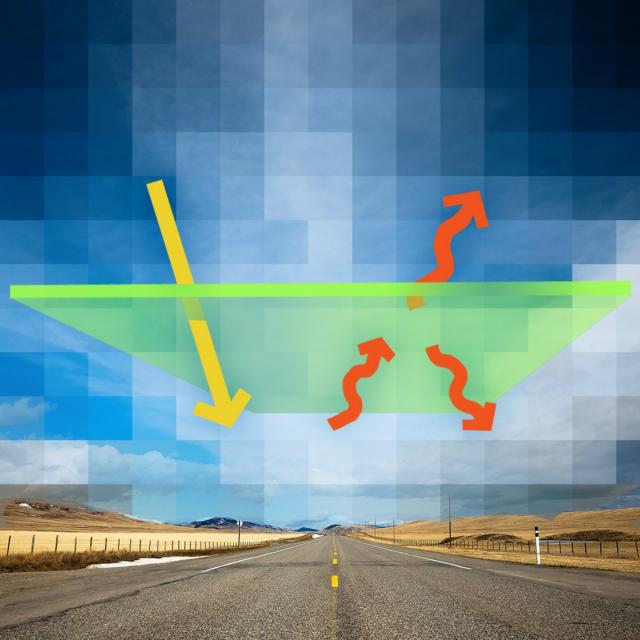
This class provides a series of Python programming exercises intended to explore the use of numerical modeling in the Earth system and climate sciences. The scientific background for these models is presented in a companion class, Global Warming I: The Science and Modeling of Climate Change. This class assumes that you are new to Python programming (and this is indeed a great way to learn Python!), but that you will be able to pick up an elementary knowledge of Python syntax from another class or from on-line tutorials.

Jun 15th 2026
5-12 Weeks
Act on Climate: Steps to Individual, Community, and Political Action (Coursera) Coursera
University of Michigan

Act on Climate: Steps to Individual, Community, and Political Action (Coursera)

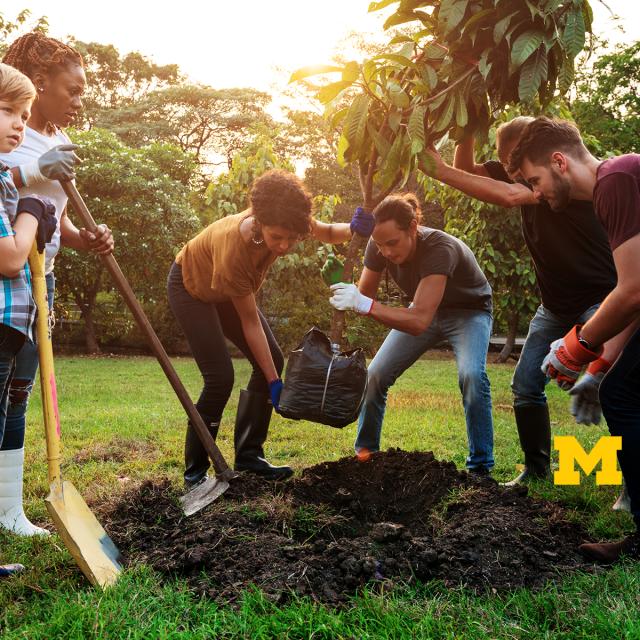
Are you concerned about climate change? Would you like to learn how to address and respond to this challenge? If so, this course is for you. Act on Climate: Steps to Individual, Community, and Political Action is intended to help learners understand, address and respond to climate change as individuals and in partnership with their communities and political leaders.

Jun 15th 2026
5-12 Weeks
Alimentación y dietética para una vuelta al mundo a vela (Coursera) Coursera
University of Barcelona

Alimentación y dietética para una vuelta al mundo a vela (Coursera)

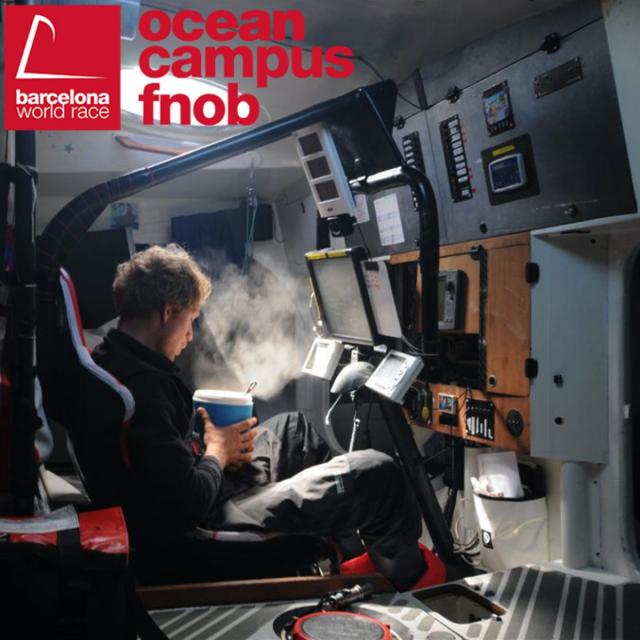
Comer bien en una vuelta al mundo no es tarea fácil . Aprenda cómo equilibrar alta nutrición con practicidad mientras navega alrededor del mundo. Este curso pretende introducirte en el mundo de la preparación de los deportistas que participan en regatas de navegación transoceánica, como la Barcelona World Race.

Jun 15th 2026
5-12 Weeks
Primeros Auxilios Psicológicos (PAP) (Coursera) Coursera
Universitat Autònoma de Barcelona

Primeros Auxilios Psicológicos (PAP) (Coursera)

Este curso on-demand (ABIERTO, se puede cursar en cualquier momento), impartido en castellano por la Universidad Autónoma de Barcelona y el Centro de Crisis de Barcelona, está destinado a entrenar en la aplicación de primeros auxilios psicológicos (PAP) a personas afectadas por situaciones altamente estresantes, abarcando tanto emergencias cotidianas (incidentes críticos estadísticamente frecuentes que afectan de manera muy intensa: un accidente de tráfico, una hospitalización, una agresión o la muerte traumática o repentina de una persona, etc.) como emergencias comunitarias y/o masivas (sucesos infrecuentes, que afectan a muchas personas o a una comunidad entera y que sobrepasan con mucho lo que sucede habitualmente en ella: una catástrofe natural, un accidente ferroviario o aéreo o un atentado).

Jun 15th 2026
5-12 Weeks
Sustainable Agricultural Land Management (Coursera) Coursera
University of Florida

Sustainable Agricultural Land Management (Coursera)

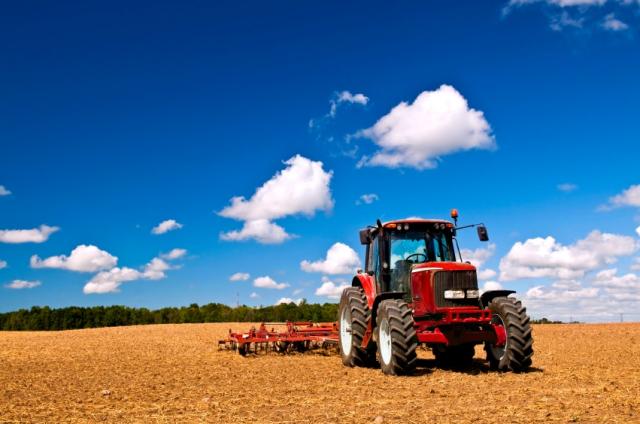
This course will cover the agricultural and urban water quality issues in Florida, their bases, land and nutrient management strategies, and the science and policy behind the best management practices (BMPs). Students will learn to evaluate BMP research and analyze its role in determining practices and policies that protect water quality.

Jun 15th 2026
5-12 Weeks
Essentials of Global Health (Coursera) Coursera
Yale University

Essentials of Global Health (Coursera)

Essentials of Global Health is a comprehensive introduction to global health. It is meant to introduce you to this topic in well-structured, clear and easy to understand ways. Much of the course will focus on five questions: What do people get sick, disabled and die from; Why do they suffer from these conditions? Which people are most affected? Why should we care about such concerns? What can be done to address key health issues, hopefully at least cost, as fast as possible, and in sustainable ways?

Jun 15th 2026
5-12 Weeks